
Back to Research and Newsletters
Would You Put a Chip in Your Brain to Walk Again?
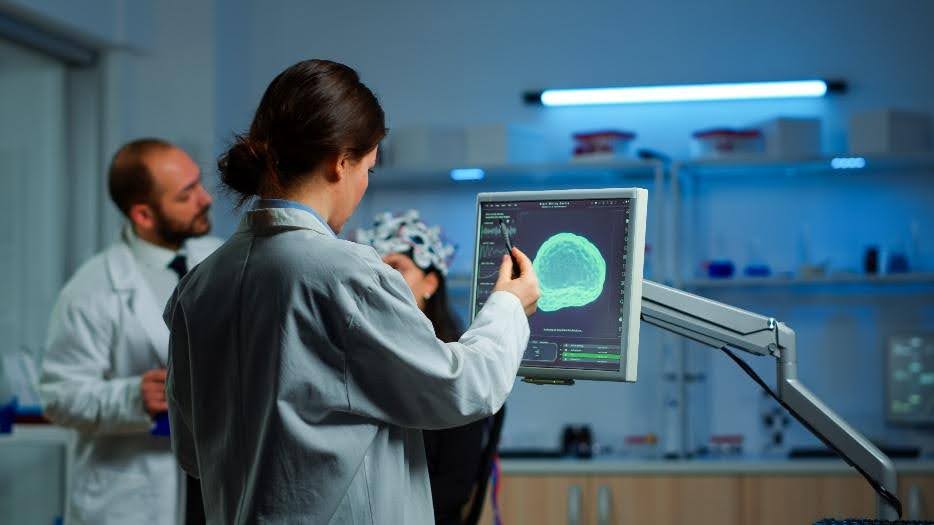
This is no longer a hypothetical question.
Brain-computer interfaces already allow paralyzed individuals to move robotic limbs using thought alone. In 2023, a spinal injury patient walked again using a neural bridge that bypassed damaged pathways.
The brain adapts to machines faster than we expected. With practice, signals become cleaner. Control improves. The machine becomes part of the body.
But implantation carries risk. Surgery, infection, long-term maintenance, and ethical uncertainty are real concerns.
The deeper question is identity. When movement is mediated by silicon, where does the body end?
For many patients, the answer is simple: identity is secondary to independence.
In rehabilitation, the question isn’t what the body is made of, it’s whether it works. When technology restores function, independence becomes the outcome that matters. Identity can be debated later; mobility, autonomy, and dignity cannot wait.